Carotid sinus hypersensitivity CSH consists of the observation that stimulation of the carotid artery baroreceptors results in a greater than expected fall in heart rate and drop in blood pressure. Sympathetic activity stimulates the vagus nerve.
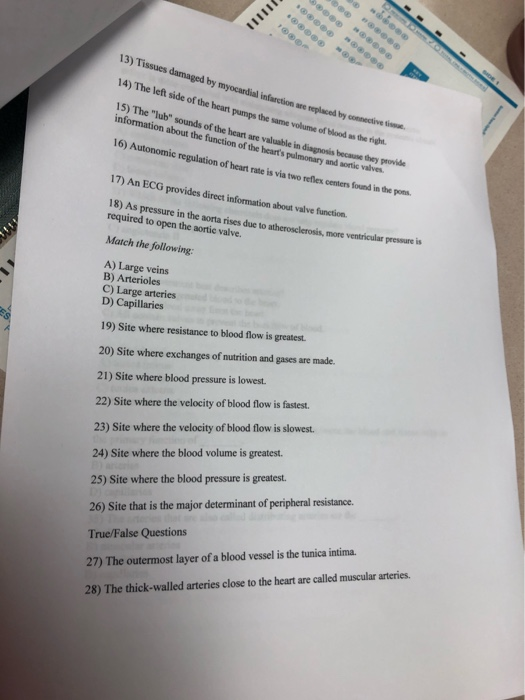
Solved 29 The Carotid Sinus Reflex Protects The Blood Chegg Com
Sympathetic activity stimulates the vagus nerve to cause a decrease in heart rate when sitting up from a supine positionb.
. Type 1 carotid baroreceptors also known as dynamic baroreceptors have large myelinated A-fibers. 9 The carotid sinus reflex protects the blood supply to the brain whereas the aortic reflex is more concerned with maintaining adequate blood pressure in the systemic circuit as a whole. Common vagal maneuvers include carotid sinus massage CSM Valsalva.
3 Trout HH Brown LL Thompson JE. A hypersensitive carotid sinus reflex is defined by a slowing in heart rate of more than 50 percent or a decline in systolic pressure by more than 40 mmHg during carotid sinus massage. The major indication for carotid sinus massage is the diagnosis of tachyarrhythmias in which the atrial activity is either absent or intermittently pre.
Sympathetic activity causes an increase in heart rated. A All carry oxygenated blood to the heart. 708 10 Vasodilation is a widening of the lumen due to smooth muscle contraction.
It is not to be confused with the carotid body which is a PaO 2 PaCO 2. The carotid sinus reflex occurs with changes in transmural pressure of the baroreceptors at the carotid sinus. 2 Ray BS Stewart HJ.
Press firmly on the patients carotid sinus massage point. Carotid sinus located at the base of the internal carotid artery contains baroreceptors involved in the control of blood pressure. Role of the glossopharyngeal nerve in the carotid sinus reflex in man.
The underlying mechanisms that lead to this hypersensitivity of the carotid sinus remain debated. Parasympathetic activity increases when rising from a supine positionc. Sympathetic activity causes an increase in heart rate when sitting up from a supine position.
The baroreceptors in the carotid sinus and aortic arch are sensitive to. It contains baroreceptors which when stimulated cause slowing of the heart vasodilatation and a fall in blood pressure. Which best describes the carotid sinus reflex.
In human anatomy the carotid sinus is a dilated area at the base of the internal carotid artery just superior to the bifurcation of the internal carotid and external carotid at the level of the superior border of thyroid cartilage. In such cases carotid baroreceptor stimulation eg mechanical forces such as may occur with turning of the neck or looking upward. Which statement best describes arteries.
Using a circular motion rub and massage the. Massage the right carotid sinus for 510 seconds. Carotid sinus hypersensitivity CSH consists of the observation that stimulation of the carotid artery baroreceptors in the neck results in a greater than expected fall in heart rate and drop in blood pressure.
Which best describes the carotid sinus reflex. The carotid sinus is sensitive to pressure changes in the arterial blood at this. See also carotid sinus syndrome.
Sympathetic activity stimulates the vagus nerve to cause a decrease in heart rate when sitting up from a supine position. In such cases carotid baroreceptor stimulation eg mechanical forces such as may occur with turning of the neck or looking upward results in vagal activation andor. Carotid Sinus and Carotid Body The carotid sinus has two types of fibers for transmission of vasculature status.
Which best describes the carotid sinus reflex. When sitting up from a supine position the carotid arteries. What best describes the adaptive anatomy of the aorta.
29 The carotid sinus reflex protects the blood supply to the reflex is more concerned with maintind lex protects the blood supply to the brain whereas the aortic hood pressure in the systemico as a whole. The dilated portion of the common carotid artery at its bifurcation into external and internal carotids. Efferent signaling occurs through sympathetic and vagus nerves to the heart and blood vessels.
Afferent signals are sent via glossopharyngeal and vagus nerves to the nucleus tractus solitarius. Called also Chaddocks sign. A CSM is usually first performed on the right side of a patients neck.
When sitting up from a supine position the carotid arteries. Chaddocks reflex in lesions of the pyramidal tract stimulation below the external malleolus causes extension of the great toe. Parasympathetic activity increases when rising from a supine position.
Which best describes the carotid sinus reflex. B All carry blood away from the heart. Carotid Sinus n 1.
Conversely in many patients with syncope of unidentifiable cause the carotid sinus syndrome. Sympathetic activity causes an increase in heart rate when sitting up from a supine position. Relief of carotid sinus syndrome by intracranial section of the glossopharyngeal nerve.
Carotid sinus massage is a simple bedside maneuver that helps to clarify the type and sometimes also the mechanism of different rhythm disturbances. Contains baroreceptors involved in the control of blood pressure. Vagal maneuvers are techniques used to increase vagal parasympathetic tone in an attempt to diagnose and treat various arrhythmias.
In carotid sinus hypersensitivity this reflex is exaggerated. Nervous control that operates via reflex arcs involving baroreceptors chemoreceptors and higher brain centers B the dural sinus reflex. They are often utilized first in an effort to abort episodes of stable supraventricular tachycardia SVT or differentiate SVT from ventricular tachycardias VT.
Carotid sinus syncope induced by malignant tumorsin the neck. TF The carotid sinus reflex protects the blood supply to the brain whereas the aortic reflex is more concerned with maintaining adequate blood pressure in the systemic circuit as a whole. Clinical presentation may be typical when syncope occurs with rotation or turning of the head or pressure on the carotid sinus for example carotid massage shaving tight collars or.
Carotid sinus reflex slowing of the heartbeat when pressure is applied to the carotid artery at the level of the cricoid cartilage. 83 However less than 50 percent of patients with carotid hypersensitivity have syncope as a result. Which of the following best describes the carotid sinus.
The carotid sinus anatomically is a small neurovascular structure located at the dilated portion of the common carotid artery the carotid bulb just at the point of its bifurcation. View the full answer. The carotid sinus extends from the bifurcation to the true internal carotid artery.
Sympathetic activity causes an increase in heart rate. Sympathetic activity stimulates the vagus nerve to cause a decrease in heart rate.

Blood Vessles Flashcards Quizlet

A Practical Guide To Clinical Medicine Medical Business Clinic Nursing School Clinicals
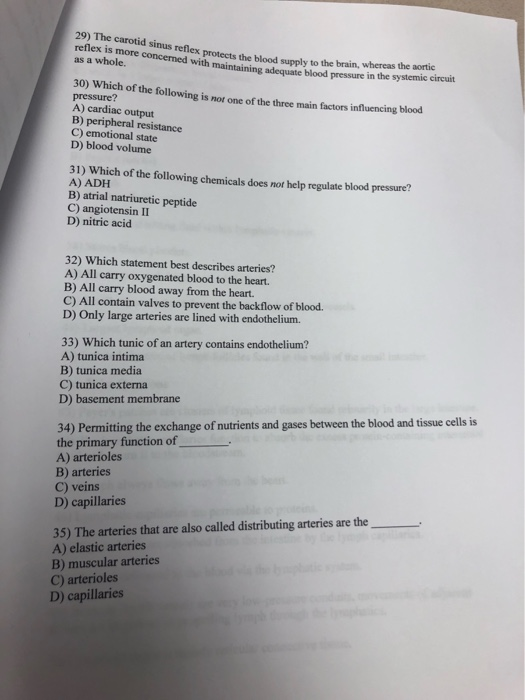
Solved 29 The Carotid Sinus Reflex Protects The Blood Chegg Com



0 Comments